Do Not Consume Excessive Fluids When Breaking the Fast, Avoid Spicy Foods
One of the most frequently asked and important topics during Ramadan is how nutrition should be managed. Prof. Dr. Funda Elmacıoğlu, Head of the Department of Nutrition and Dietetics at İstinye University Faculty of Health Sciences, shared recommendations on what to consider regarding nutrition during Ramadan. While warning against excessive fluid intake when breaking the fast, Elmacıoğlu also emphasized avoiding the overuse of spices in meals.
Nutrition is undoubtedly one of the most important aspects of Ramadan. What kind of meal should be consumed after long hours of fasting? What should be eaten at sahur? These are among the most frequently asked questions. Prof. Dr. Elmacıoğlu addressed these concerns and provided insights into what should be consumed and what should be avoided. Here are her recommendations for nutrition during Ramadan:
“Ramadan is not only a period of spiritual purification but also one of the best examples of balanced and mindful nutrition aligned with the biological rhythm of the human body. Fasting during Ramadan should not be seen as prolonged hunger, but rather as a conscious and well-planned nutritional model compatible with our biology. This system, structured according to the natural biological cycle that begins with daylight and ends at sunset, is essentially an example—established by our religion 1,400 years ago—of what is today referred to as ‘intermittent fasting’ in modern science. Therefore, Ramadan is not about enduring hunger, but about adopting a natural lifestyle in harmony with the body’s biological and physiological rhythm.
The Fast Should Be Broken with Light Foods
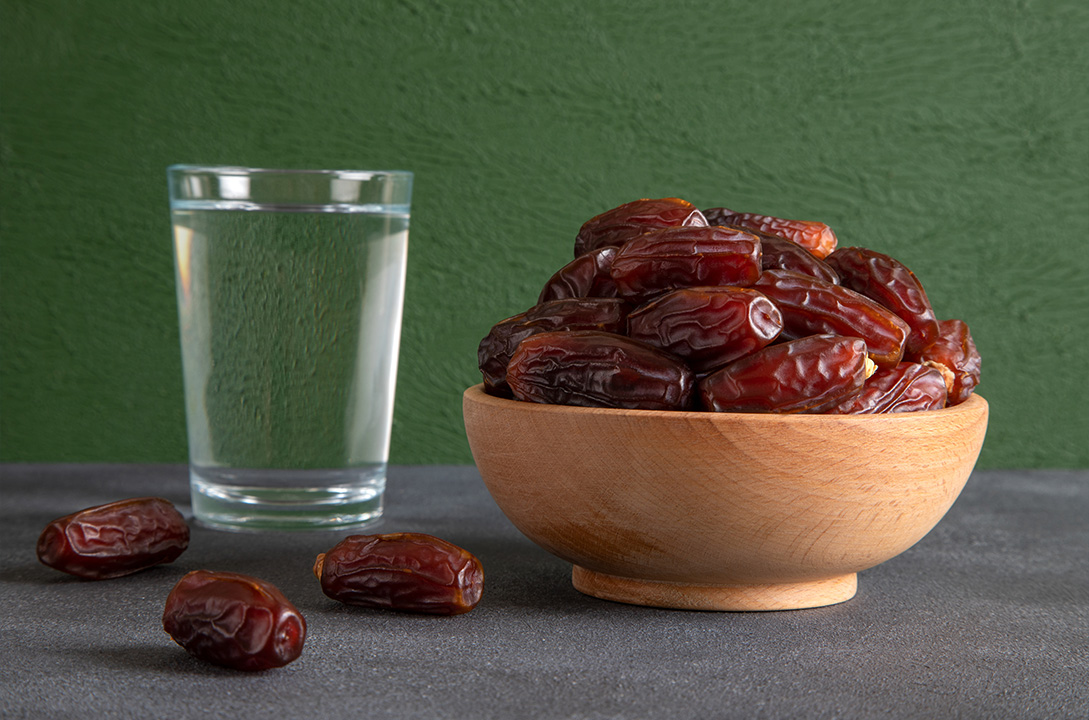
The fast should be broken with dates or a small amount of tahini-molasses, 1–2 black or green olives, and light foods such as low-salt curd cheese or cottage cheese. This helps initiate digestion without burdening the stomach. At the first stage, a bowl of traditional and nutritious soup should be preferred. Soups such as tarhana, lentil, yayla, tomato, yuvalama, or wedding soup help relax the stomach and meet fluid and fiber needs. A 10–15 minute break after soup—traditionally for the evening prayer—supports digestion and maintains metabolic balance. Starting the main meal after this break helps prevent sudden spikes in insulin, reducing complaints such as fatigue, palpitations, and drowsiness. Even those who do not pray can benefit from this short pause.
Avoid Excessive Use of Spices
The main course (such as stuffed vine leaves with meat, minced leek dish, or sautéed chicken) can be accompanied by a small portion of rice (about four tablespoons cooked), 1–2 thin slices of whole wheat bread or a quarter of pide, along with a seasonal salad and a bowl of yogurt. One quarter of a standard Ramadan pide is equivalent to a serving of bread or pasta. Throughout Ramadan, excessive use of spices should be avoided; however, cumin may be added due to its digestive and anti-bloating effects. Foods such as sucuk and pastırma, which are high in salt and not accessible to everyone economically, should not be staple items on the Ramadan table. Whenever possible, high-quality oils such as olive oil and hazelnut oil should be preferred in cooking.
Excessive fluid intake while breaking the fast is also not recommended. Filling the stomach with too much water at once may cause bloating and digestive discomfort. Water should be consumed slowly and in a balanced manner. Those who wish may add 1–2 teaspoons of honey and a few drops of lemon to their first glass of water. Sparkling mineral water (with reduced carbonation) can also be consumed in moderation. Total daily water intake should be balanced between iftar and sahur, amounting to at least 7–8 glasses. Desserts should not be consumed immediately after iftar but rather 1.5–2 hours later, and should be limited to light options. Instead of heavy syrup-based desserts, half portions of güllaç or fruit-based desserts such as quince or apple desserts are recommended. Fresh fruits can also be consumed in moderation. The key in dessert consumption is moderation to maintain balanced blood sugar levels.
Sahur: The Most Critical Meal of Ramadan
Sahur is the most critical meal of Ramadan. Waking up for sahur, even if it interrupts sleep, is metabolically beneficial and helps maintain health and endurance. Strong tea should be avoided at sahur, as well as excessively salty and heavy foods. The key question should not be “Which food keeps me full the longest?” Ramadan is not about fighting hunger, but about nourishing the body correctly. Foods such as boiled eggs, menemen, vegetable or minced pastries, homemade phyllo-based börek, vegetable dishes, a slice of bread, yogurt, or a simple cheese toast may be sufficient depending on the individual. The goal is not to fill the stomach, but to support the body in a balanced way without causing strain.
For athletes, the situation is different. An athlete training twice a day may require around 6,000 calories and significant fluid intake. Since it is difficult to meet these needs with only iftar and sahur meals while fasting, professional dietary support is essential, along with monitoring body weight and fluid loss. Otherwise, performance may decrease and the risk of injury may increase.
Ramadan: A Holistic Annual Detox Model
Ramadan serves as a period of rest not only for the digestive system but also for the liver, kidneys, and circulatory system. When practiced correctly, the body’s detox mechanisms function more effectively, and individuals feel calmer and more balanced both physically and mentally. In this sense, Ramadan goes beyond modern wellness concepts, representing a 1,400-year-old holistic purification model practiced for one month each year.
In conclusion, Ramadan is not about excess or waste, but about moderation, balance, and consuming only what is needed. It is a process that disciplines the self and strengthens willpower. The aim is not to burden the stomach, but to nourish the body in a way that keeps cells healthy. This approach is fundamental to experiencing Ramadan consciously, both physically and spiritually.”