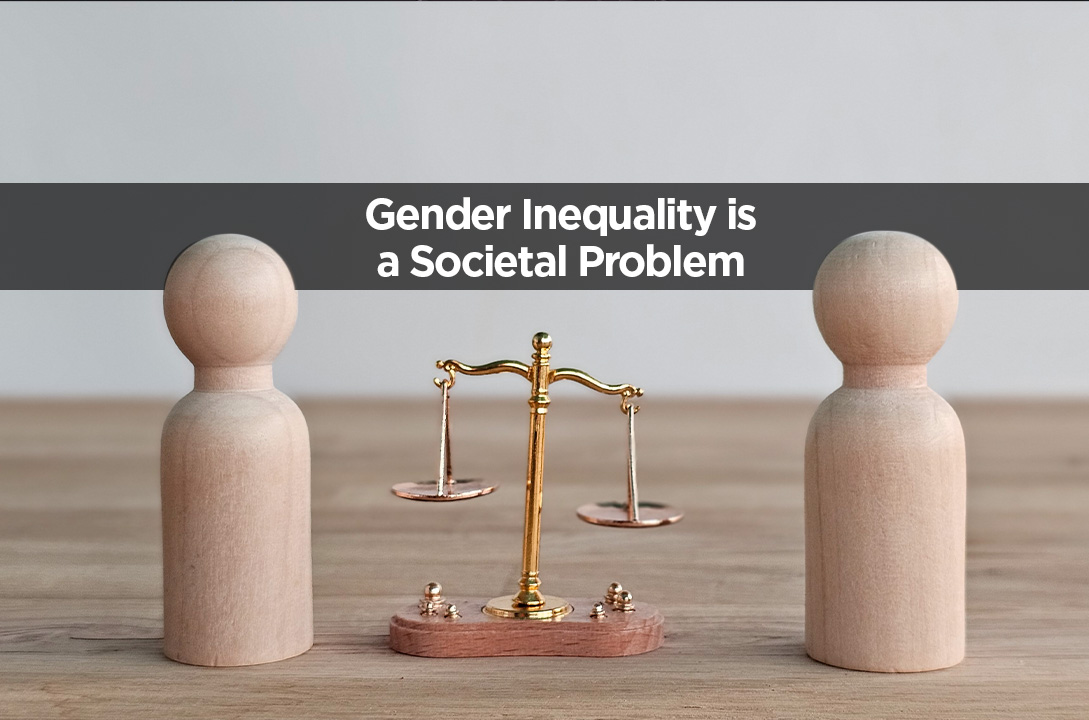
Gender inequality constitutes an “invisible silent pandemic” by creating serious and preventable health risks for both women and men. Research conducted by Dr. Elif Akdemirel, a graduate of the Department of Health Management at İstinye Üniversitesi, demonstrates that inequality shortens life expectancy and increases maternal and child mortality. The findings indicate that this problem is not limited to low-income countries but is also present in countries with very high levels of human development. According to experts, sustainable improvements in health cannot be achieved without ensuring gender equality.
Dr. Elif Akdemirel’s study, titled “The Relationship Between Gender Inequality and Health Outcomes,” reveals that gender inequality is not only a violation of rights but also a global public health issue. Akdemirel emphasizes that, due to its prevalence, persistence, and its capacity to generate preventable adverse health outcomes, gender inequality should be regarded as an “invisible, silent pandemic.”
According to the research, discrimination faced by women on the basis of gender negatively affects their health both directly and indirectly. Barriers to accessing health information and services, low levels of education and income, and exclusion from decision-making mechanisms increase risks such as unintended pregnancies, maternal mortality, sexually transmitted infections, and violence. Data from the United Nations indicate that one in five girls is married before the age of 18 and that approximately 230 million girls and women worldwide have been subjected to female genital mutilation.
Gender inequality also affects men
Gender inequality affects not only women but men as well. According to Akdemirel, socially constructed expectations that encourage risky behaviors among men increase tobacco, alcohol, and substance use, while reluctance to utilize health services can lead to premature mortality. This situation contributes to shortened life expectancy due to preventable diseases.
The study further shows that inequality deepens intergenerational health problems. Low maternal education levels, inadequate nutrition, and barriers to accessing health services contribute to low birth weight and increased infant and child mortality. Akdemirel stresses that this pattern demonstrates that child mortality is linked not only to poverty but also to the unequal distribution of fundamental resources such as education, health care, and income.
Comprehensive policies are required
According to the 2025 report of the United Nations Development Programme, countries with the highest levels of gender inequality include Yemen, Nigeria, Somalia, Chad, and Afghanistan. In these countries, maternal mortality rates and adolescent fertility rates are extremely high, whereas in countries that perform well in gender equality—such as Denmark and Norway—life expectancy is longer and maternal and child mortality rates are significantly lower.
Akdemirel notes that achieving gender equality would lead to short-term improvements in maternal mortality and adolescent pregnancies and, in the long term, to reductions in intergenerational health inequalities. However, she underscores that this can only be realized not solely through health policies but through comprehensive strategies that promote equality in education, employment, social protection, and decision-making processes.
One of the most striking findings of the study is that gender inequality reduces life expectancy at birth. This result provides scientific support for the assertion that “inequality kills” and offers a clear warning to policymakers: lasting and sustainable improvements in health are possible only through preventive and cross-sectoral policies that place gender equality at their core.