Case Fatality Rate Varies Between 40% and 75%
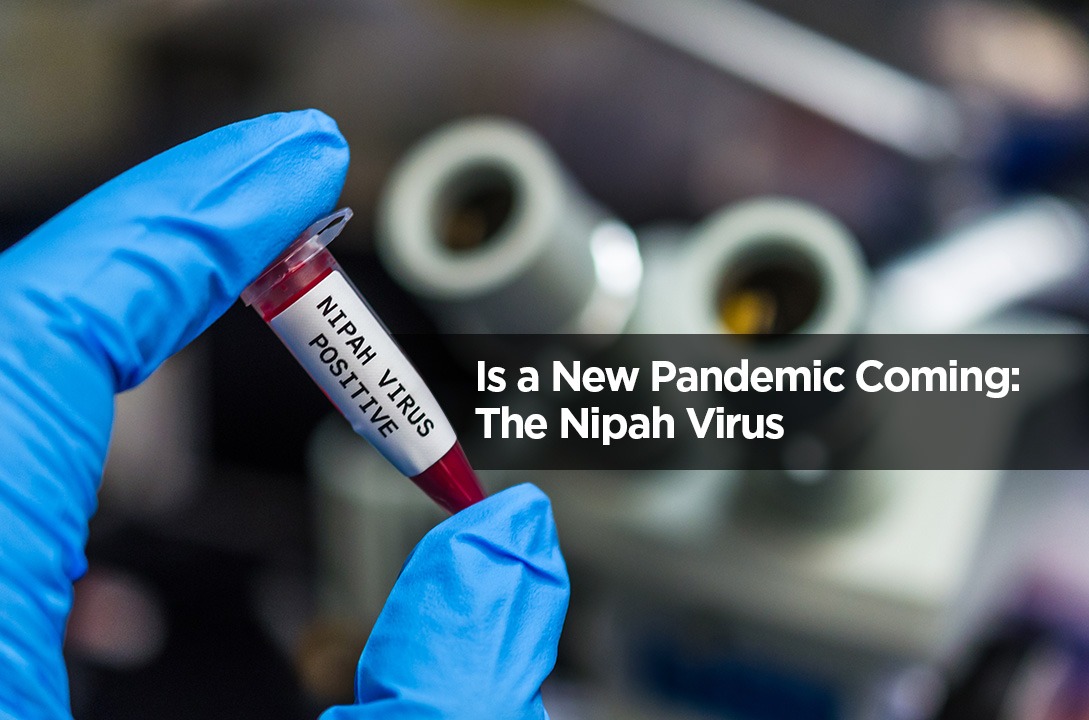
The Nipah virus (NiV), which has raised concerns about the possibility of a new global pandemic, is being closely monitored worldwide. Transmitted by animals such as fruit bats and pigs, the virus can cause fever and encephalitis. İstinye Üniversitesi faculty member Prof. Dr. Nuriye Taşdelen Fışgın provided detailed information regarding the Nipah virus. According to Fışgın, symptoms typically appear approximately 4 to 14 days after the virus enters the body. The most common symptoms include nonspecific findings such as fever, headache, muscle pain, vomiting, and sore throat. The estimated case fatality rate ranges between 40% and 75%.
Nipah virus (NiV), a zoonotic pathogen that poses a serious public health risk, continues to generate concern globally. Newly detected cases in India are being closely followed across Asia. In response to the potential risk of spread, countries such as Thailand, Malaysia, and Singapore have intensified screening and testing measures at airports and border crossings, raising questions about the possibility of a new pandemic. Prof. Dr. Nuriye Taşdelen Fışgın, a faculty member of the Faculty of Medicine, Department of Infectious Diseases and Clinical Microbiology at İstinye University, addressed key issues related to the virus.
“Approximately 200 Contacts Are Reportedly Under Surveillance”
Describing Nipah virus as an RNA virus belonging to the Paramyxoviridae family that can cause a spectrum of clinical presentations ranging from asymptomatic infection to acute respiratory disease and fatal encephalitis in both animals and humans, Fışgın noted that the virus was first identified during an outbreak among pig farmers in Malaysia in 1999. The disease was subsequently detected in Bangladesh in 2001 and continues to be reported annually. Periodic outbreaks have also occurred in eastern India. According to statements from India’s Ministry of Health, two cases have been confirmed this year and approximately 200 contacts are under surveillance. Fruit bats of the Pteropodidae family—particularly species of the genus Pteropus—are the natural reservoirs of Nipah virus. These bats typically do not show overt signs of illness. It is also known that related viruses may exist within the geographical distribution of Pteropodidae bats in Africa.
“Infected Individuals Can Spread the Virus Through Bodily Secretions and Excreta”
Fışgın emphasized that infected individuals may transmit the virus through bodily secretions and excreta. During the first outbreak in Malaysia and Singapore in 1999, most human infections were linked to direct contact with infected pigs or contaminated animal tissues. In subsequent outbreaks in Bangladesh and India, consumption of fruits or fruit products contaminated with urine or saliva from infected fruit bats—such as raw date palm sap—was identified as the most likely source of infection. Human-to-human transmission has also been documented, particularly among family members and caregivers of infected patients. This highlights the importance of bodily secretions and excreta in interpersonal transmission and places healthcare workers at increased risk.
“Symptom Onset Typically Occurs Within 4 to 14 Days”
In humans, Nipah virus infection may range from asymptomatic cases to mild or severe acute respiratory illness and potentially fatal encephalitis. Symptom onset generally occurs within 4 to 14 days after exposure, although incubation periods of up to 45 days have been reported. Early symptoms are often nonspecific and include fever, headache, muscle pain, vomiting, and sore throat. As the disease progresses, patients may develop dizziness, drowsiness, altered consciousness, and neurological signs. Some patients experience respiratory infections that may progress to severe pneumonia and respiratory failure. In severe cases, fatal encephalitis and uncontrollable seizures may occur, with coma developing within 24–48 hours. Because early symptoms are nonspecific, initial clinical suspicion may be low. Travel to endemic regions is therefore an important epidemiological factor. Diagnostic methods primarily include real-time polymerase chain reaction (RT-PCR) testing of body fluids and antibody detection using enzyme-linked immunosorbent assay (ELISA). Virus isolation in cell culture may also be used.
Preventive Measures Against the Virus
Currently, there is no specific antiviral treatment or licensed vaccine for Nipah virus infection. Management relies on intensive supportive care for severe respiratory and neurological complications. In the absence of a vaccine, preventive strategies are critical. Based on experiences from the 1999 outbreak in pig farms, regular and thorough cleaning and disinfection of animal facilities with appropriate detergents may help prevent infection. In suspected outbreaks, animal shelters should be quarantined immediately. To reduce transmission to humans, infected animals should be culled under strict supervision, and carcasses should be safely buried or incinerated. Restrictions on animal movement from affected farms can help limit spread.
Public education is essential to reduce human transmission. Communities should be informed about risk factors, transmission routes, and protective measures when in contact with infected individuals. Close, unprotected physical contact with patients should be avoided, and hands should be washed regularly after caregiving or visiting. Travelers should be made aware of regional risks. Preventive efforts should focus on limiting bat access to date palm sap and other fresh food products. Freshly collected palm sap should be boiled, and fruits should be thoroughly washed and, when possible, peeled before consumption. Healthcare workers caring for suspected or confirmed cases should consistently apply standard infection control precautions, including additional contact and droplet precautions due to documented human-to-human transmission in healthcare settings.
Importantly, bat species present in Türkiye differ from the Pteropus (fruit bat) species known to carry the virus, making the establishment of a natural wildlife transmission cycle in the country unlikely. To date, no confirmed Nipah virus cases have been reported in Türkiye. However, due to global travel mobility, preparedness for potential imported cases remains essential.