Pharmacy, far beyond being a profession with centuries of history, has today positioned itself at the very center of the health-, environment-, and technology-driven transformation confronting humanity. Pharmacists are no longer merely professionals who prepare or dispense medicines; rather, they have become next-generation health architects who manage knowledge, utilize technology, and protect human health through a holistic approach. While digitalization, sustainability, biotechnology, and artificial intelligence are fundamentally transforming the profession, they simultaneously expand its sphere of influence to an extent unprecedented in its history.
Today, pharmacy has evolved into a multilayered ecosystem extending from conventional pharmaceutical manufacturing to dermocosmetics, from nutraceuticals to personalized therapies, and from biotechnology to advanced drug delivery systems. This new structure entails not only a scientific transformation but also an economic, cultural, and societal one. As the planet’s limits are increasingly strained and the pace of discovery accelerates, it is impossible for the healthcare sector to remain unaffected by these developments. Carbon footprint, water consumption, packaging waste, chemical pollution, microplastics, climate change, and drought are all factors that directly impact human health. At this juncture, pharmacy must be redefined not merely as a profession that treats disease, but as one that establishes a preventive and protective ecosystem.
Green chemistry, biodegradable packaging, the sourcing and standardization of active ingredients from natural resources, biotechnology, waste minimization, and circular production models should constitute the foundational pillars of next-generation pharmacy. In a country like Türkiye, which possesses high biological diversity, this field represents not only an environmental responsibility but also a strategic economic power. Health is the greatest force.
Today, China has realized a transformation that serves as a global model by integrating thousands of years of Traditional Chinese Medicine (TCM) with modern pharmaceutical technologies, clinical research, biotechnology, and artificial intelligence. Herbal formulations have transcended folkloric knowledge and have been transformed into scientific products that are analyzed at the molecular level, clinically validated, and circulated in global markets. Türkiye possesses a unique medicinal plant heritage rooted in Anatolia, Mesopotamia, and the Mediterranean basin. Hundreds of local plants—from olive leaves and sage to thyme and black cumin—when developed through rigorous scientific approaches, can generate a regional health and biotechnology power. The natural leaders of this transformation are pharmacists, as pharmacy is the only profession that simultaneously embodies traditional herbal knowledge and modern pharmaceutical science. The discipline capable of translating traditional herbal medicines into scientific formulations, clinical evidence, and global standards is evolving from Pharmacy Technology toward Technology-Oriented Pharmacy in a data-driven and rapidly advancing digital world.
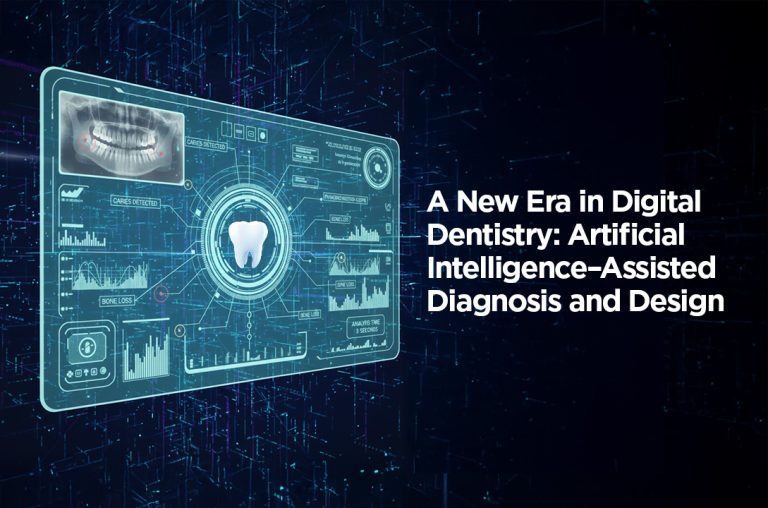
Artificial intelligence is currently reshaping the rules of the game in every domain, from drug discovery to patient monitoring. Molecular screening, adverse effect prediction, drug–drug interaction analysis, and personalized dosing systems can now be conducted within seconds. This development does not diminish the role of the pharmacist; on the contrary, it transforms pharmacists into healthcare consultants who interpret data, guide clinical decisions, and counsel patients. Remaining distant from artificial intelligence does not create a safe space; rather, it confines the profession to a prescription-centered role. Pharmacists should not be replaced by artificial intelligence, but should instead become professionals who employ and govern it. When used appropriately, AI applications liberate pharmacists from routine tasks, enabling them to focus on areas where they create true value—human beings and nature.
In a rapidly changing world, newly emerging professional fields create platforms that carry the profession into new dimensions, such as telepharmacy, digital health consultancy, longevity (healthy aging) pharmacy, functional nutrition, cosmeceuticals, biotechnological products, and personalized support systems. Collectively, these domains generate a new health economy far beyond the classical pharmacy model. This indicates that pharmacists are on the threshold of transforming from professionals who merely dispense medicines into those who manage quality of life, optimize health, and prepare individuals for the future. As an entrepreneur active in practice, academia, and production, I would like to state to young people considering a career in pharmacy and to colleagues concerned about the future of the profession: the future is not a threat, but a significant opportunity. Yes, the rules of the game are changing—and they have not yet been fully written. Precisely for this reason, the field is broader than ever for new players willing to step forward.
In this new era—where artificial intelligence, biotechnology, sustainability, digital health, and traditional wisdom converge with science—pharmacists will either remain observers of transformation or become its architects. Rather than fearing this transformation, it is within our power to shape it, guide it with ethical values, and establish a system that delivers genuine benefit to humanity. Pharmacy is not merely a profession that prepares medicines; it is a healing art and an architecture of therapeutic products that harmonizes knowledge, technology, and nature for the well-being of humankind. For those who walk this path, the horizon is clear, the field is vast, and the future is bright. “Every path advanced through labor gains meaning through purpose; every step guided by faith and science transforms into success.”