Artificial Intelligence Is Revolutionizing Dentistry
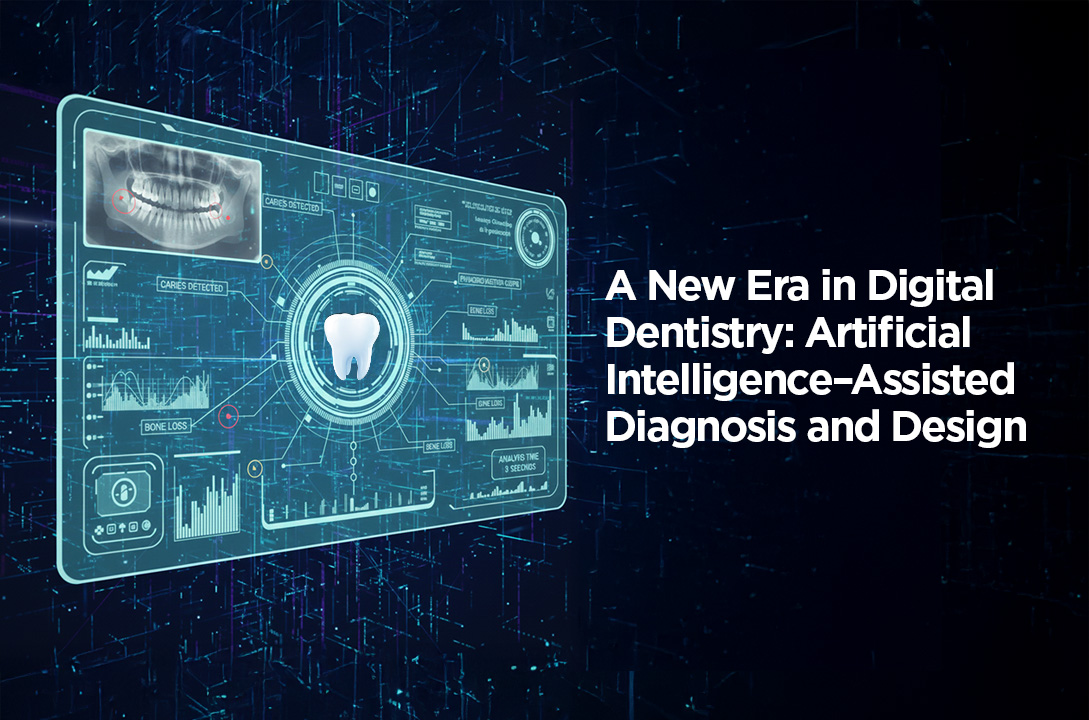
Prof. Dr. Emir Yüzbaşıoğlu, Dean of the Faculty of Dentistry at Istinye University, highlights the contributions of artificial intelligence (AI) to dentistry, noting that AI systems are capable of recommending tooth forms that are most compatible with a patient’s facial features and smile aesthetics. Emphasizing the clinical advantages of AI, Prof. Dr. Yüzbaşıoğlu states that AI can analyze dental radiographs within seconds and rapidly present findings to clinicians, thereby significantly reducing examination time.
As in many other fields, artificial intelligence is increasingly being utilized in dental care. According to Prof. Dr. Yüzbaşıoğlu, AI-based systems can analyze dental radiographs in a matter of seconds, promptly deliver diagnostic findings to dentists, and enhance both the speed and accuracy of clinical decision-making. He explains:
“In dentistry, artificial intelligence software is most commonly used in diagnostic and radiographic imaging applications. Dental radiographs obtained from our patients are analyzed by these systems, enabling the rapid, accurate, and reliable detection of conditions such as caries or periapical lesions that might be overlooked by the human eye. AI-supported systems offer a significant advantage by minimizing errors caused by human factors such as fatigue or loss of concentration. While careful examination of each radiograph is time-consuming, AI can analyze images within seconds and present the findings to the clinician, thereby shortening examination times. Particularly in dental radiography, early-stage lesions, caries, and bone loss that are difficult for the human eye to detect can be identified within seconds. This represents one of the most substantial contributions of AI to diagnostic accuracy.”
“It Calculates the Ideal Path and Duration”
Prof. Dr. Yüzbaşıoğlu further notes that AI-enabled software is actively used in their faculty:
“In our Computer-Aided Design and Computer-Aided Manufacturing (CAD/CAM) systems, we employ AI-driven software solutions. These programs automate the design of crowns, bridges, and inlay/onlay restorations based on intraoral digital scans, thereby increasing precision. In our orthodontic clinic, AI software analyzes patients’ jaw and dental structures to predict tooth movement, calculate the ideal treatment path and duration, and support clinicians in treatment planning.”
“Students Are Being Prepared with the Skills Required by the Digital Age”
Emphasizing the transformative role of AI in dental education, Prof. Dr. Yüzbaşıoğlu states:
“Artificial intelligence is fundamentally changing the way future dentists are trained. Dentists who utilize AI will be several steps ahead of those who do not. Students are no longer learning only theoretical knowledge; they are also acquiring skills in digital planning software and AI-supported diagnostic tools, entering clinical practice better equipped with the competencies required by the digital era.”
“It Recommends Tooth Forms Most Compatible with the Face and Smile”
Discussing the integration of AI technologies into digital dentistry, Prof. Dr. Yüzbaşıoğlu explains:
“Digital dentistry has already been data-driven through technologies such as intraoral scanners and CAD/CAM systems. The integration of artificial intelligence has elevated these processes in terms of speed, precision, and predictability.”
He summarizes the impact of this integration on patient satisfaction as follows:
“Design and production times have been shortened, and the increased precision of AI has improved the fit of crowns and prostheses. Moreover, AI analyzes aesthetic parameters and recommends tooth forms that are most compatible with the patient’s facial structure and smile, directly enhancing patient satisfaction. Our fundamental approach, however, is to protect patient privacy at the highest level. When using such systems, we strictly comply with national and international data security standards and local regulations.”
“Artificial Intelligence Will Transform Dentistry”
Prof. Dr. Yüzbaşıoğlu emphasizes that AI will irreversibly transform dentistry over the next decade:
“Within the next 5–10 years, artificial intelligence will fundamentally and irreversibly reshape dentistry. We are transitioning from a period in which clinicians relied primarily on personal experience with limited predictability of outcomes to an era of more foreseeable treatment results. With the support of AI technologies, clinicians will be able to anticipate potential challenges, procedural steps, and final outcomes at the very beginning of treatment and discuss these aspects with their patients before initiating therapy. Dentists will evolve from practitioners who solely diagnose, restore, extract, or fabricate prostheses into professionals who evaluate AI-generated analyses, develop personalized treatment plans, and, most importantly, manage patient communication and ethical decision-making. The dentist will not become the assistant of AI; rather, artificial intelligence will become the dentist’s super assistant.”
“Artificial Intelligence Courses Should Be Considered a Necessity”
Addressing barriers to the adoption of AI, Prof. Dr. Yüzbaşıoğlu notes that clinicians may hesitate to trust AI systems if they do not fully understand the decision-making processes or if legal and medical responsibilities associated with AI-generated data are unclear. Additionally, investments in advanced AI systems may be discouraging for young dentists or small clinic owners.
Highlighting the need for curriculum reform, he states:
“Dental faculties should offer courses in ‘Digital Dentistry’ and ‘Artificial Intelligence Applications’ not as optional subjects, but as essential components of contemporary education.”
“Investment in the Development of New AI Applications Is Essential”
Finally, Prof. Dr. Yüzbaşıoğlu underscores the importance of investing in new AI applications:
“Although domestic AI solutions already exist in our country, further investment is required for the development of new AI applications and their integration into clinical practice. Training programs organized by universities or dental associations, as well as rental options for these systems, should be made available to clinicians. To achieve this, universities must conduct collaborative research and development projects with industry partners.”