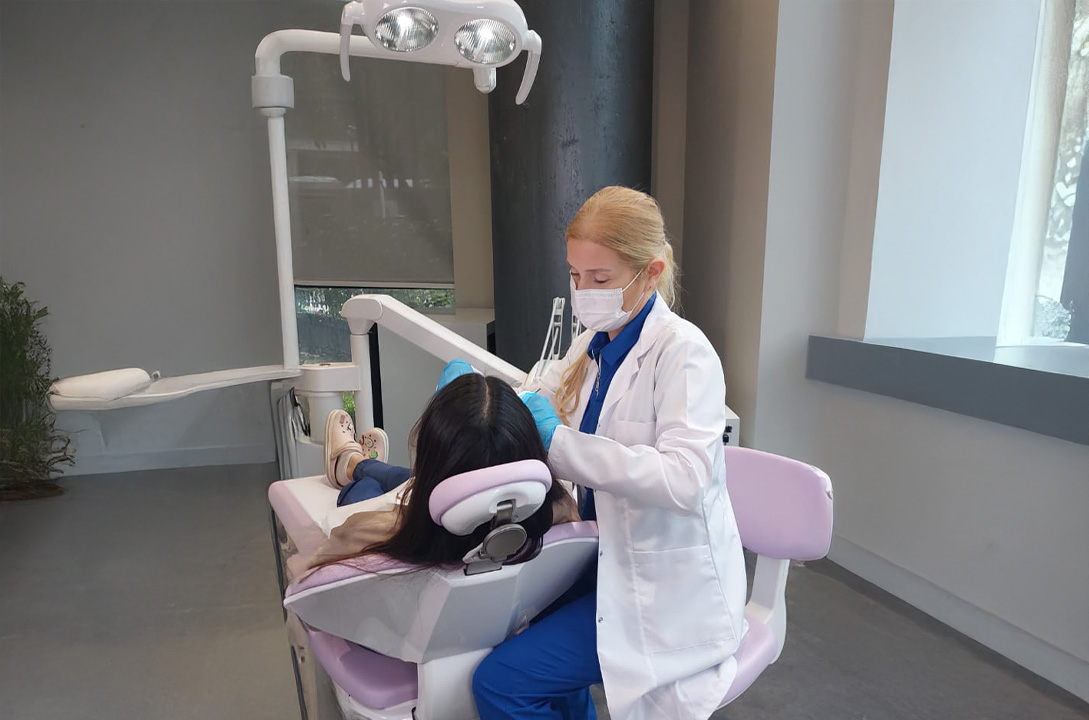
Poor Oral and Dental Health Can Lead to Various Diseases
Prof. Dr. Tuğba Toz Akalın, Vice Dean of the Faculty of Dentistry at İstinye University, emphasized that oral and dental health is not merely an aesthetic or localized issue but an essential part of overall health. She provided important evaluations on many topics, ranging from regular dental check-ups to daily oral care, from habits in Türkiye to the relationship with systemic diseases.
Oral and dental diseases affect not only dental health but the entire body. Poor oral and dental health can lead to various diseases, from cardiovascular conditions to diabetes and respiratory infections. “Oral health should be considered an integral part of overall health,” said Prof. Dr. Akalın, outlining key points to consider regarding oral and dental care.
“Oral health is an integral part of overall health”
Speaking about the importance of oral and dental health, Prof. Dr. Akalın stated:
“The mouth is the gateway to the digestive and respiratory systems and one of the most important contact points between the body and the external environment. When oral hygiene is inadequate, pathogenic bacteria multiply rapidly and chronic infection sites develop. This not only leads to tooth loss but also continuously stimulates the immune system, causing a low-grade yet persistent inflammation in the body. Therefore, oral health must be considered an inseparable part of overall health.”
“Gum diseases and cavities can increase overall inflammation burden”
Highlighting that oral and dental diseases are no longer seen as problems limited to teeth but as significant indicators of overall health, Akalın stated:
“Especially gum diseases and untreated dental caries can create long-term infections and inflammation in the mouth, increasing the body’s overall inflammatory burden. Scientific studies show that this condition may be associated with cardiovascular diseases, diabetes, respiratory infections, certain risks during pregnancy, and rheumatic diseases. Bacteria and inflammatory products formed in the mouth can occasionally enter the bloodstream and affect overall health. Additionally, there is a strong link between tooth decay and excessive sugar consumption, unhealthy diets, and irregular lifestyles—factors that are also among the main causes of obesity and diabetes. Orthodontic irregularities can make cleaning teeth more difficult, increasing the risk of cavities and gum disease. Imbalances in the jaw joint and chewing muscles can also lead to head, neck, and facial pain, negatively affecting quality of life. In short, oral health is an integral part of overall health; regular dental check-ups, proper oral care, and healthy lifestyle habits are crucial not only for a beautiful smile but also for the health of the entire body.”
It Can Also Trigger Cardiovascular Diseases
Emphasizing the strong link between cardiovascular diseases and oral health, Prof. Dr. Akalın said:
“The relationship between cardiovascular diseases and oral health is most clearly explained through gum diseases. In cases of chronic gum inflammation (periodontitis), inflammatory substances and bacterial products formed in the mouth can enter the bloodstream and damage blood vessel walls. This may accelerate the process known as atherosclerosis and increase the risk of heart attack and stroke. Recurrent bacteremia originating from periodontal pockets increases the body’s overall inflammatory burden and is considered a significant risk factor negatively affecting the cardiovascular system. International health authorities such as FDI also emphasize a meaningful association between gum diseases and cardiovascular diseases. Therefore, symptoms such as gum bleeding, swelling, or long-lasting oral infections should be considered warning signs not only for oral health but also for heart health. Regular dental check-ups and good oral care are important supportive steps in preventing cardiovascular diseases.”
How Does Chronic Gum Inflammation Affect the Immune System?
Chronic gum inflammation acts like a “low-dose alarm” that continuously and silently occupies the immune system. In the presence of periodontitis, immune cells remain activated for a long time, causing a persistently elevated inflammatory response in the body. Continuously released cytokines and inflammatory mediators disrupt the balance of the immune system and increase systemic inflammation. This condition becomes more pronounced in diseases closely associated with inflammation. For example, in individuals with diabetes, the presence of periodontal infection can increase insulin resistance, making blood sugar control more difficult and raising the risk of complications. Therefore, chronic gum inflammation is not merely a localized issue but a significant health problem affecting the entire body and the overall functioning of the immune system.
What Are the Long-Term Effects of Silent Oral Infections?
Silent oral infections may progress for years without causing noticeable symptoms, yet they can lead to serious consequences affecting both oral and overall health. Dental caries, chronic gum diseases (periodontitis), and root-end infections can become persistent sources of infection and inflammation if not detected early. Periodontitis can lead to progressive destruction of tissues supporting the teeth, resulting in tooth loss and impaired chewing function, while dental caries can gradually progress to reach the nerve and jawbone. These conditions not only cause local damage but also increase systemic inflammation, contributing to the development or worsening of cardiovascular diseases, diabetes, and other metabolic disorders. Tooth loss and impaired chewing function may also lead to imbalanced stress on the jaw joint and chewing muscles, resulting in temporomandibular joint disorders, facial pain, and headaches. In elderly individuals, bacteria accumulating in the mouth may reach the respiratory tract, increasing the risk of serious infections such as pneumonia. Therefore, silent oral infections should be considered a multifaceted health issue affecting the entire body in the long term.
Key Recommendations for Protecting Oral and Dental Health
Akalın stated that the most fundamental step in maintaining oral and dental health is mechanical plaque control: regular brushing with gentle cleaning along the gum line (without irritation) combined with interdental cleaning. Interdental brushes are often more effective and practical in reducing plaque and gum bleeding, especially in areas with wider spaces, while dental floss may be more suitable for tighter contacts. The effectiveness of brushing depends not on the method alone but on consistency, proper technique, and avoiding trauma. Chemical products such as mouthwash should not replace mechanical cleaning but serve as short-term support when necessary. Antiseptics like chlorhexidine may help reduce plaque and gingival inflammation, but prolonged use may cause side effects such as staining, taste alteration, and mucosal irritation; therefore, they should be used under professional guidance for limited periods.
In caries prevention, not only the presence of sugar but also dietary habits—such as frequent snacking, consumption of sticky fermentable carbohydrates, and nighttime eating—should be evaluated. Studies show a strong link between added sugar intake and dental caries, highlighting the importance of dietary awareness and counseling as part of preventive care. This approach includes personalized risk assessment (biofilm control, saliva and medications, past caries history, restoration margins, periodontal pockets/bleeding) and tailored professional care planning. In systemic conditions such as diabetes, cardiovascular diseases, immunosuppression, and pregnancy, the impact of oral infections on overall inflammation becomes even more critical, making patient awareness and sustainable care routines essential.
“Check-Ups Are Necessary Even Without Pain”
Prof. Dr. Akalın emphasized that visiting the dentist only when pain occurs is a mistaken approach, noting that cavities and gum diseases often show no symptoms in early stages. She added that bad breath is usually caused by oral factors such as gum disease, untreated cavities, tartar, and bacterial accumulation on the tongue, and that odor accompanied by gum bleeding may indicate active gum inflammation.
She highlighted that the most effective way to maintain oral health is consistent daily care: brushing teeth twice a day for at least two minutes, cleaning between teeth daily with floss or interdental brushes, and regularly cleaning the tongue. Properly maintained oral hygiene significantly prevents cavities and gum diseases.
“Preventive Oral Health Habits Are Not Yet Fully Established in Türkiye”
Akalın stated that preventive oral health habits are not yet fully established in society in Türkiye. Scientific data show that the rate of brushing teeth twice daily ranges between 25–35% across many age groups. The use of dental floss and interdental brushes is quite limited, and dental visits are often made only after pain occurs. This delays early diagnosis and leads to more advanced treatment needs.
In contrast, preventive dental habits are more established in Western and Northern European countries. For example, in the Netherlands, more than 70–75% of adults brush their teeth at least twice a day. Regular check-up culture is also widespread in Germany and Scandinavian countries. Akalın emphasized that higher-income countries adopt preventive approaches more systematically and that awareness should be increased in Türkiye as well.
“Oral Health Is a Fundamental Part of Preventive Healthcare”
Prof. Dr. Tuğba Toz Akalın concluded that chronic infections and tissue destruction in the mouth are not merely local issues but critical components of overall health. Strengthening preventive approaches and making regular check-ups a habit can reduce both advanced treatment needs and systemic health risks.