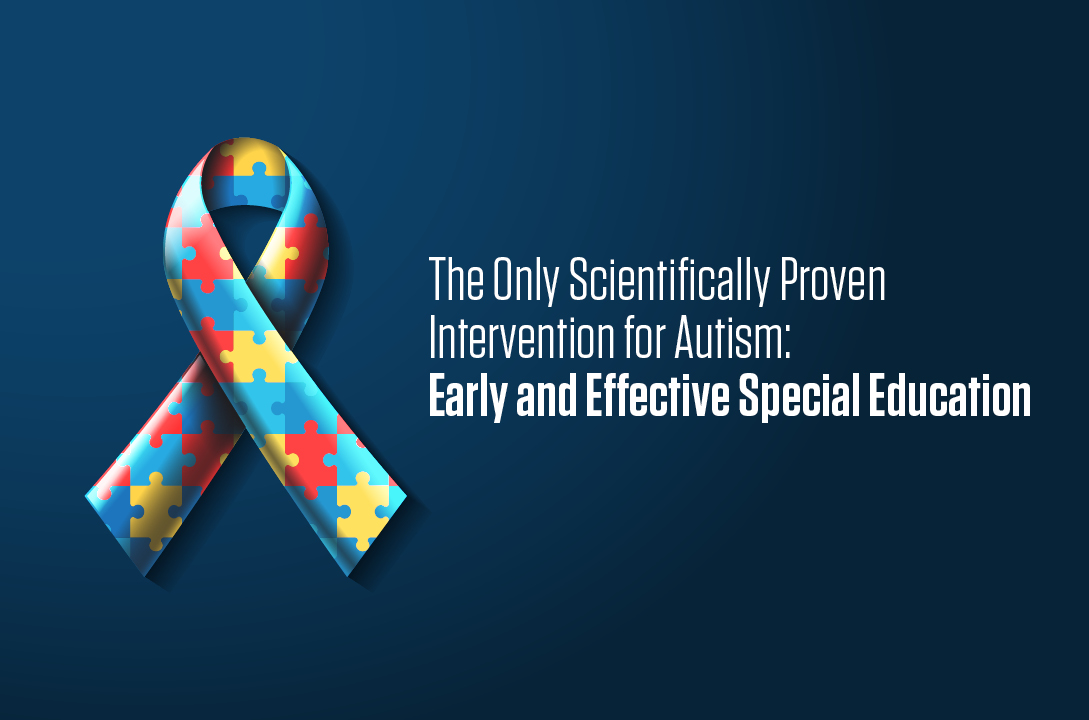
Experts emphasize that autism is a neurodevelopmental disorder characterized by differences in social communication and interaction, and underline the vital importance of early diagnosis and special education. Assist. Prof. Dr. Doğa Sevinçok from the Faculty of Medicine at Istinye University highlights that, to date, the only scientifically proven effective intervention for autism is special education. Noting that symptoms may vary according to age, Sevinçok urges families to seek professional support at an early stage.
Assist. Prof. Dr. Doğa Sevinçok, Head of the Department of Child and Adolescent Psychiatry at Istinye University Faculty of Medicine, stated that autism spectrum disorder (ASD) is characterized by age-inappropriate impairments in social communication and interaction. She noted that repetitive behaviors, restricted interests, and excessive adherence to routines are also common features, and that symptom presentation may differ across age groups.
“Autism Symptoms May Vary Across Age Groups”
“Autism, in its simplest definition, refers to the presence of age-inappropriate impairments or differences in social communication and interaction. In addition, repetitive behaviors, unusual or highly individualized interests, and rigid adherence to routines are frequently observed,” said Assist. Prof. Dr. Sevinçok, elaborating on symptom profiles as follows:
“Autism symptoms may vary depending on age. For instance, in children under two years of age, symptoms may be limited to not responding to their name, avoiding eye contact, not following pointing gestures, delayed speech, or difficulty understanding spoken language. After the age of two, repetitive and purposeless movements and heightened sensitivity to sensory stimuli such as loud sounds may become apparent. Broadly speaking, autism symptoms can be categorized into two main groups. The first involves impairments in social communication and interaction, such as limited eye contact, inability to imitate others, difficulty understanding or producing meaningful speech, lack of gesture and facial expression use, flat affect, failure to respond when called by name, difficulty initiating or maintaining social interaction, inability to engage in symbolic play, and failure to follow pointing gestures. The second group consists of restricted and repetitive behaviors or interests, including stereotyped body movements, playing with toys in non-functional ways (such as lining them up), echolalia, insistence on sameness, excessive resistance to change, and narrowly defined interests.”
“Multiple Assessments Increase Diagnostic Reliability”
“Observation of the child by a child and adolescent psychiatrist and a comprehensive psychiatric evaluation constitute the most important components of autism diagnosis,” Sevinçok stated, continuing:
“Conducting interviews using semi-structured and standardized tools, such as the Autism Diagnostic Observation Schedule (ADOS), enhances diagnostic accuracy. Obtaining information from multiple individuals involved in the child’s daily life and observing behaviors through videos recorded in natural settings are also highly valuable. Autism is a spectrum disorder, and symptom severity varies across individuals. While diagnosis is relatively straightforward in cases with pronounced symptoms, milder presentations require information from multiple sources, observations in different environments, and, when necessary, repeated evaluations to improve diagnostic reliability.”
“Lack of Eye Contact and Failure to Respond to Name Should Be Evaluated”
Providing guidance on observable signs for parents, Sevinçok stated:
“If parents suspect difficulties in their child’s social or emotional development, they should consult a child and adolescent psychiatry specialist. First and foremost, children under the age of two should not be exposed to screen-based electronic devices. Excessive screen exposure is detrimental not only in terms of autism risk but also for children’s overall social, emotional, and academic development. Children who do not establish eye contact, fail to respond when called by name, do not vocalize toward caregivers, do not show emotional engagement in simple interactive games, display repetitive purposeless hand or arm movements, persistently repeat words, or fail to play with toys in a functional manner should be evaluated without delay.”
Genetic and Environmental Factors Play a Role
Sevinçok emphasized that both genetic and environmental factors contribute to the development of autism:
“To date, no single gene or environmental factor has been identified as the sole cause of autism. Advanced maternal and paternal age—particularly over the age of 40—are among the environmental factors thought to have the strongest association. A parental history of psychosis, maternal infections during pregnancy, medication use during pregnancy, low birth weight, and preterm birth are among other suspected factors. Exposure to pesticides or air pollution has also been suggested to increase autism risk. Importantly, it has been scientifically proven that vaccines are not associated with an increased risk of autism. These factors do not cause autism independently; rather, the disorder emerges through the interaction of multiple factors.”
“There Should Be No Screen Exposure Until the Age of Two”
Addressing claims regarding screen time and autism, Sevinçok stated:
“It is not accurate to claim that prolonged screen exposure alone causes autism. However, in children who are predisposed to autism or other developmental disorders, screen exposure may exacerbate autism-like symptoms and increase developmental risk. Excessive screen exposure in children already displaying autism symptoms may be associated with increased symptom severity. While no screen exposure is recommended during the first two years of life, daily screen time in later childhood should be limited to a maximum of thirty minutes.”
“Anxiety Disorders and Loneliness Are Common”
Discussing challenges faced by autistic individuals in adolescence and adulthood, Sevinçok noted:
“The difficulties experienced during adolescence and adulthood vary depending on autism severity, language development, cognitive functioning, self-care abilities, and independence. Many individuals with severe autism require continuous care and are at increased risk for behavioral problems, violence, and abuse. Individuals with milder forms of autism often experience difficulties in social relationships, depression, anxiety disorders, and loneliness.”
“Autism Is More Common in Males”
Sevinçok stated that there is no definitive prevalence data for Türkiye, adding:
“There are no nationwide epidemiological studies on autism spectrum disorder in Türkiye. Globally, autism has been reported to be more prevalent in males and in populations with lower socioeconomic status.”
Reasons for the Increase in Autism Diagnoses
Regarding the rise in autism diagnoses in recent years, Sevinçok explained:
“The primary reason for this increase is heightened awareness of autism among healthcare professionals, educators, and families. Increased awareness leads to higher rates of early identification and diagnosis. Expanded diagnostic criteria have also contributed to higher prevalence rates, allowing children to access intervention services earlier. Rising parental age, air pollution, industrial chemicals, pesticides, and heavy metals are among the environmental factors thought to play a role. Although the relationship between screen exposure and autism prevalence remains unclear, screen exposure may increase symptom severity or reduce the effectiveness of interventions.”
“Special Education Is the Only Proven Intervention”
Emphasizing that special education is the only intervention with scientifically proven effectiveness, Sevinçok concluded:
“There is no strong scientific evidence supporting the effectiveness of other treatments in reducing the core symptoms of autism. Unfortunately, some alternative treatments may cause more harm than benefit. Special education must be provided by qualified professionals and institutions with expertise in autism. Families should carefully research educators and institutions before initiating special education programs. Evidence-based interventions in autism education are primarily behavioral approaches, including Applied Behavior Analysis (ABA), the Early Start Denver Model, Pivotal Response Treatment, and Floortime. Speech therapy and occupational therapy may be incorporated when necessary. The primary goal of special education is to improve social communication and interaction.”
Highlighting the importance of early diagnosis, Sevinçok stated:
“The most critical factor influencing treatment response and long-term outcomes in autism is early initiation of special education. Early diagnosis followed by timely, effective, and appropriate intervention is the most important determinant of treatment success.”